

Hong Kong travel guide
Hong Kong Tourism | Hong Kong Guide
You're Going to Love Hong Kong
Hong Kong is the land of contrasts, with a culture that mixes its Chinese origins with colonial influences.
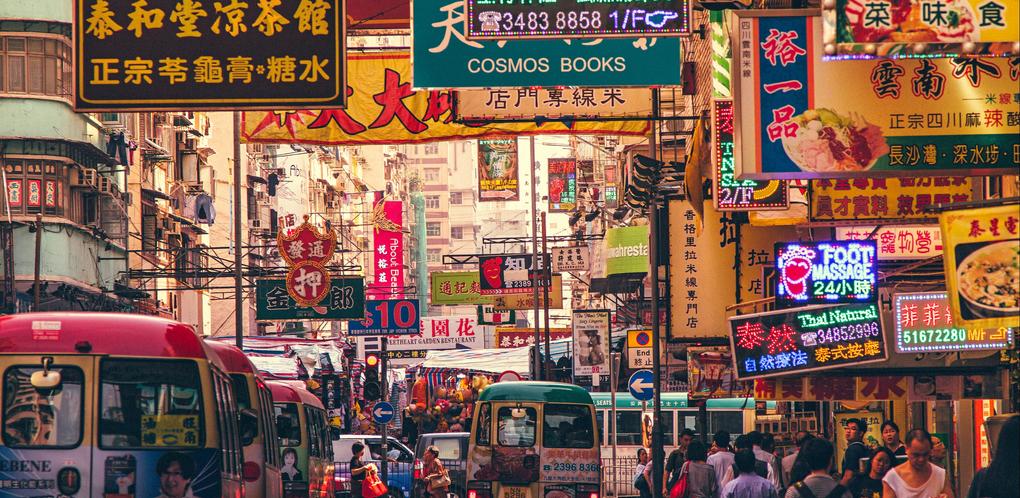
Shopping and museums will keep you as busy as exploring Hong Kong's foodie scene, diverse and mouthwatering.
What to do in Hong Kong
1. Take the Star Ferry
One of the most popular things to do in Hong Kong is taking the Star Ferry from the Kowloon Peninsula to Hong Kong Island and seeing the city from the water.
2. See the View from Victoria Peak
Known by locals as "The Peak," this is the best spot in Hong Kong to see the city from the top.
3. Visit Hong Kong Disneyland
Despite the much smaller scale than the other theme parks around the world, Hong Kong Disneyland still boasts the same magic that enchants both children and adults.
4. Shop at Street Markets
No experience in Hong Kong is as memorable as shopping around the street markets. Look for bargains and street food, but most importantly, observe the local atmosphere.
5. Experience the Temple Street Night Market
A trip to Hong Kong is not complete without an evening at the Temple Street Night Market. It's the place to improve your bargaining skills and indulge in local food.
When to visit Hong Kong
The more comfortable weather in Hong Kong is from October to December, but you'll be missing out on the top events.
If you're ready to face the summer heat and the rains, one of the top events in Hong Kong takes place in August: the Hungry Ghost Festival.
How to Get to Hong Kong
Entry Requirements
Nationals from most countries can enter Hong Kong without a visa, as long as they're not traveling onward to other destinations in mainland China.
British citizens can stay for up to 180 days. Citizens from other countries are allowed to stay for up to 30 or 90 days, depending on nationality. Overstaying is considered a serious crime in Hong Kong that could lead to up to three years in prison.
Plane
Flights to Hong Kong land at the Hong Kong International Airport, a hub for the airline company Cathay Pacific. The airport is connected to the city center by shuttle bus and a dedicated express train line.
Train
Hong Kong is connected by high-speed train to Guangzhou, Shenzhen, Beijing, and Shanghai in mainland China. Tickets can be purchased online.
Bus
There are regular bus connections between Hong Kong and several destinations like Macau, Zhuhai, Shenzhen, and Guangzhou.
Buses are operated by CTS Express Coach and Eternal East Cross Border Coach.
Boat
There are regular ferries connecting Shekou (30min), Zhuhai (1h 10m), and Zhongshan (1h 10m) to Hong Kong.
Popular airports in Hong Kong
Popular airlines serving Hong Kong
Where to stay in Hong Kong
Air conditioning is common in all rooms, regardless of the type of accommodation you choose. Only the most inexpensive rooms won't have private bathrooms.
Where to stay in popular areas of Hong Kong
Most booked hotels in Hong Kong
How to Get Around Hong Kong
Public Transportation
Hong Kong is served by the MTR (Mass Transit Railway). Fares are approximately HK$5-55 ($0.60-7) depending on distance traveled. The network operates a mix of overground and underground trains, including a Light-Rail service.
Trams
Hong Kong's famous double-decker trams are one of the cheapest ways to get around, though slower than the MRT. A one-way ticket costs a flat fee of approximately HK$2.60 ($0.35) per person.
Bus
Bus is primarily used in the south of Hong Kong Island, Lantau Island, and the New Territories, considering the north of Hong Kong Island and Kowloon are already well-covered by the MRT.
A one-way ticket starts at around HK$4.50 ($0.55) per person. Pay with exact change or consider purchasing an Octopus Card.
Car
Drive on the left side of the road and carry an International Driving Permit, even though most car rental companies will accept your country's driver's license. You must be at least 25 years old to rent a car.
The Cost of Living in Hong Kong
Meals average from around HK$60 ($7.60) at a food stall to HK$800 ($100) at an expensive local restaurant. Cash is preferred and ATMs are widely available, although debit and credit cards are accepted in most chain hotels and bigger restaurants. One week of groceries costs approximately HK$300 ($38).